Therapy and learning support grouped around the child, not the label
Speech Plus supports children aged 2–14 across speech-language needs, learning difficulties, attention, motor readiness and hearing-related concerns. The descriptions below are written in parent-friendly language so families can recognise the concern they are actually seeing at home or in school.
One intake, clearer directionThe first demo helps decide which support should begin first.
Speech & Language
For children who need help with understanding, expressing, listening, speaking clearly or using communication more effectively in everyday routines at home, in school and in social interaction.
Speech & language therapy
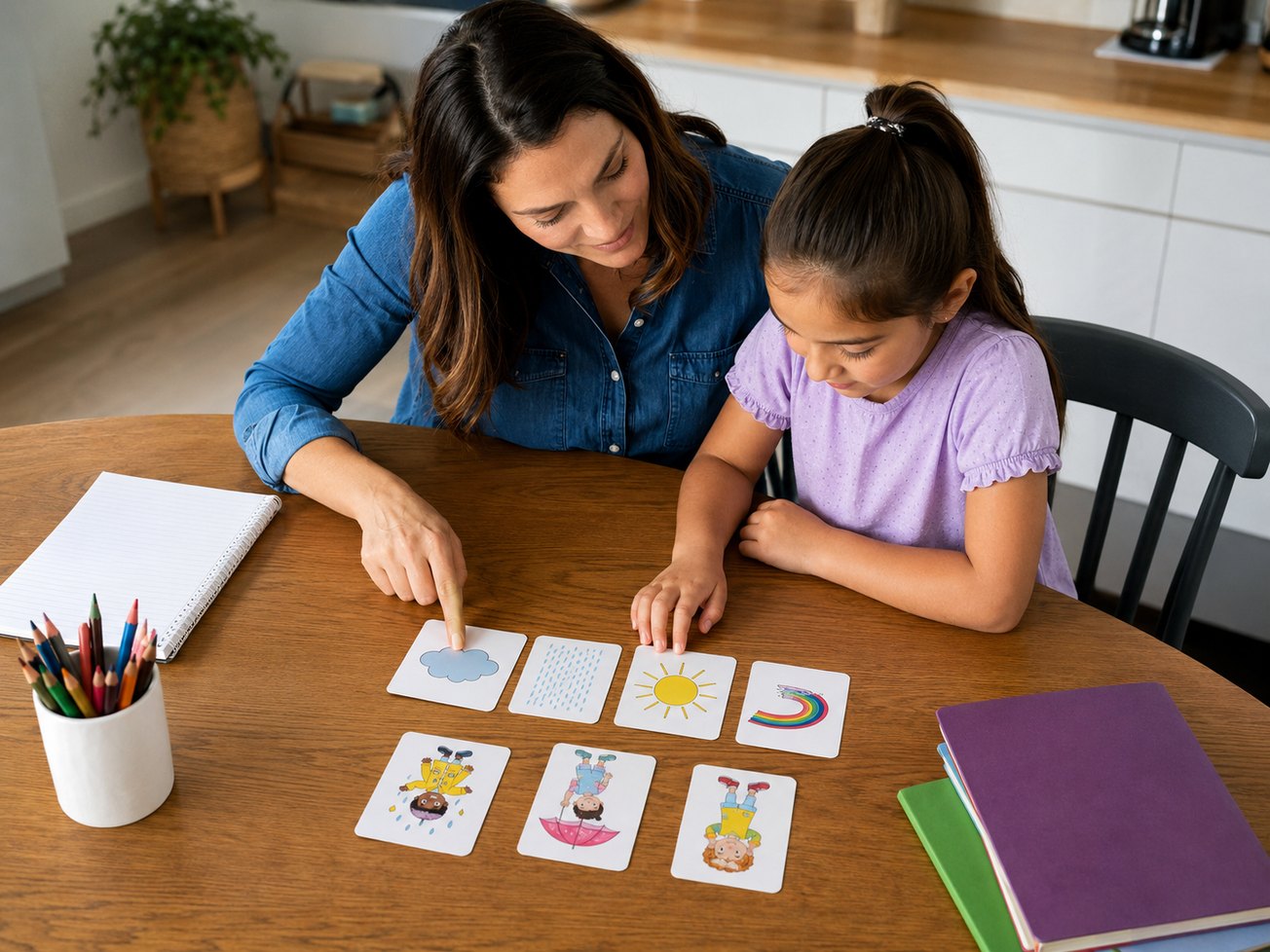
Supports children with late talking, unclear speech, short sentences, limited vocabulary or difficulty understanding and answering everyday questions. Sessions use play, modelling, picture cues and home practice so communication improves beyond the clinic room.
Led by Speech-Language Pathology
Autism support
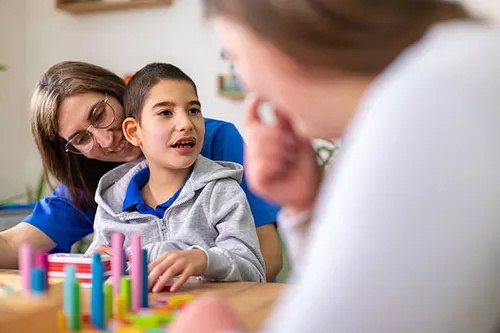
Helps children build joint attention, communication intent, imitation, social response and smoother transitions. Goals are chosen around the child's current way of communicating, whether that is words, sounds, pointing, gestures or routines.
Speech + Special Education, if needed
ADHD & emotional learning
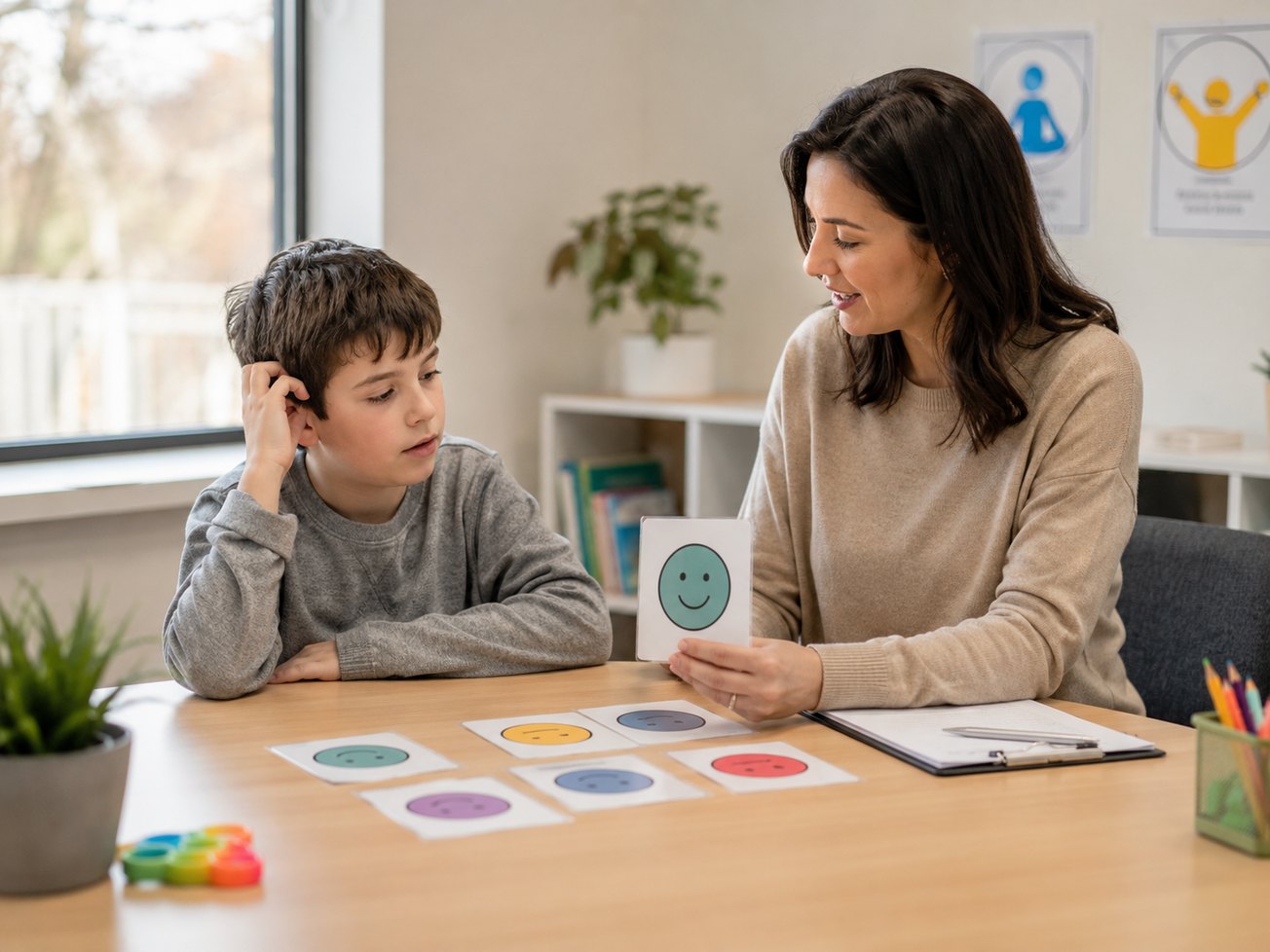
Designed for children who struggle with attention, waiting, task-shifting, impulse control or emotional regulation during learning. Sessions use visual structure, short tasks and predictable routines to improve participation in a calm, practical way.
Led by Special Education
Down syndrome support
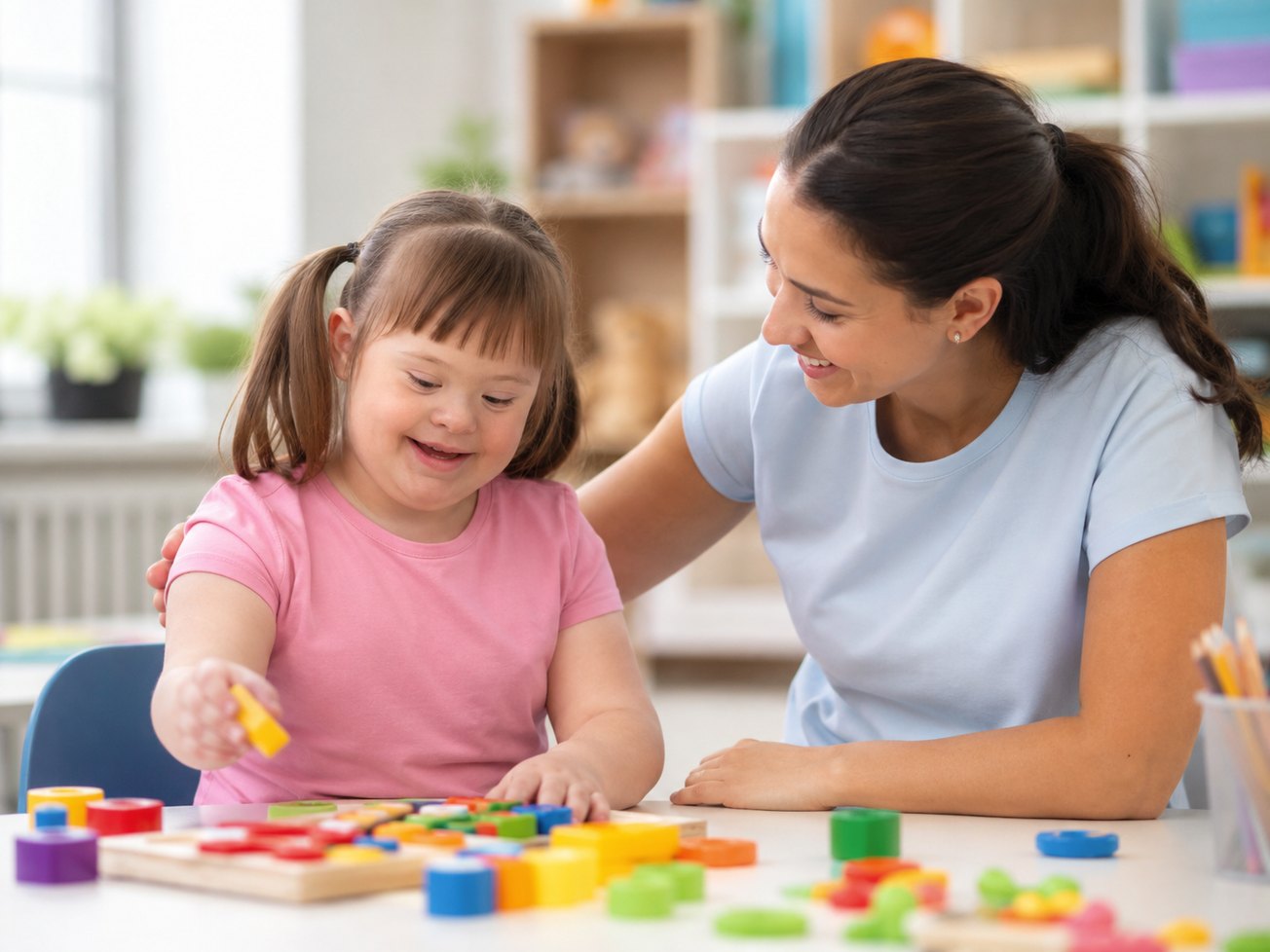
Supports language growth, speech clarity, concept learning, pre-academic development and daily independence. The plan is paced to the child and connects communication goals with classroom readiness and functional learning.
Combined support plan, if needed
Learning & Cognitive
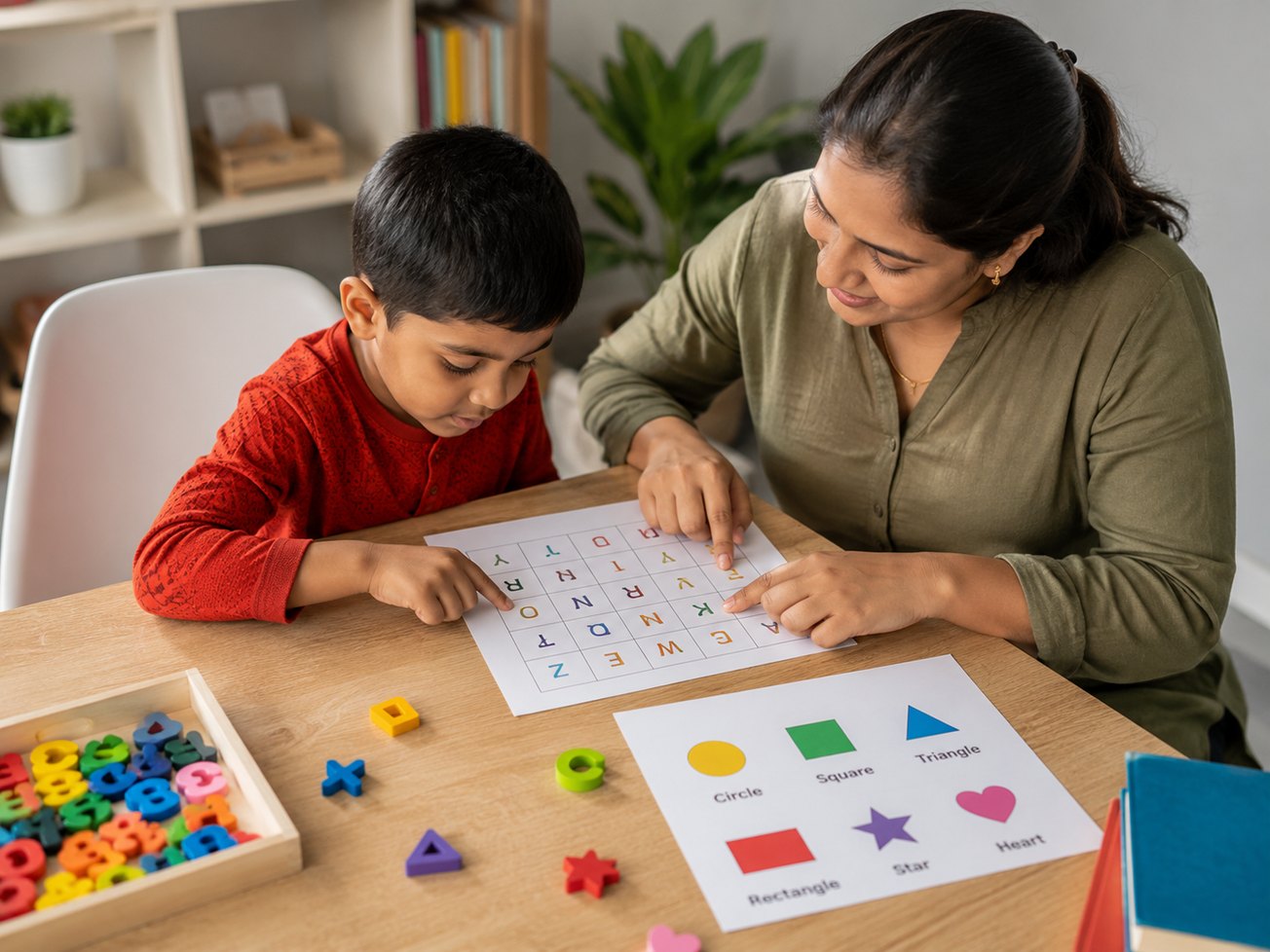
For children who are putting in effort but still struggle with reading, writing, comprehension, memory, attention or classroom output. The goal is to identify the exact learning step where support is needed.
Slow learner support
For children who understand better with repetition, concrete examples and slower teaching pace. Work focuses on concept clarity, instruction-following, memory, comprehension and confidence in day-to-day school learning.
Led by Special Education
Learning disability support
For children whose reading, writing, spelling or maths work stays significantly difficult despite practice and effort. The specialist identifies the underlying weak skill and builds a structured remedial learning plan.
Led by Special Education
Dyslexia support
Helps children who read slowly, guess words, skip lines, reverse letters or avoid reading tasks. Support focuses on phonological awareness, letter-sound connection, decoding, fluency and reading confidence.
Led by Special Education
Dysgraphia support
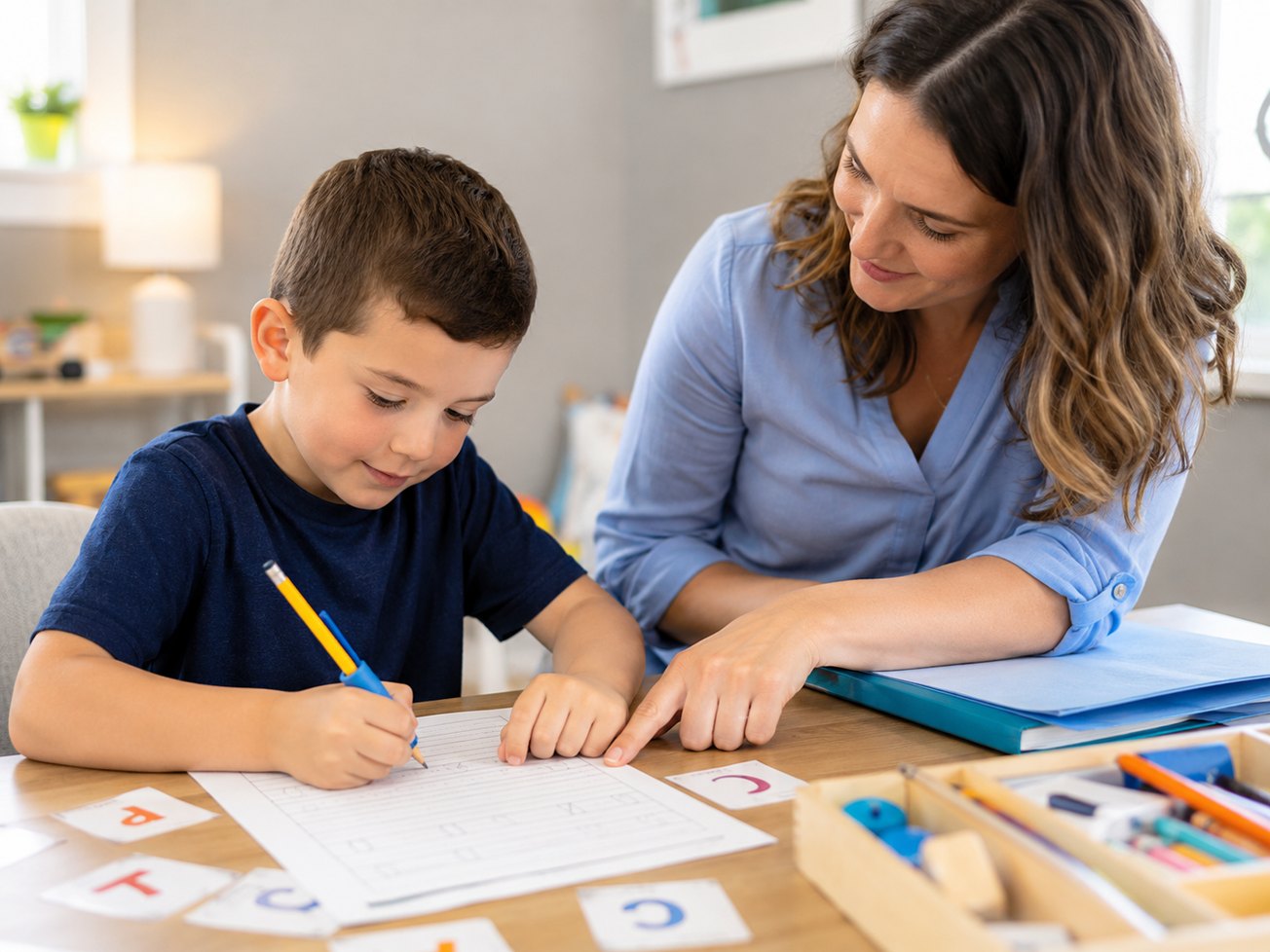
For children who can answer verbally but struggle to express the same work in writing. Sessions target letter formation, spacing, writing organisation, copying speed, written output and fatigue.
Led by Special Education
Handwriting difficulty
For children with weak pencil grip, poor spacing, inconsistent letter size, slow copying or discomfort while writing. The plan combines hand-strength work, fine-motor practice and real school-task support.
Special Education + Motor Readiness
Cognition & comprehension
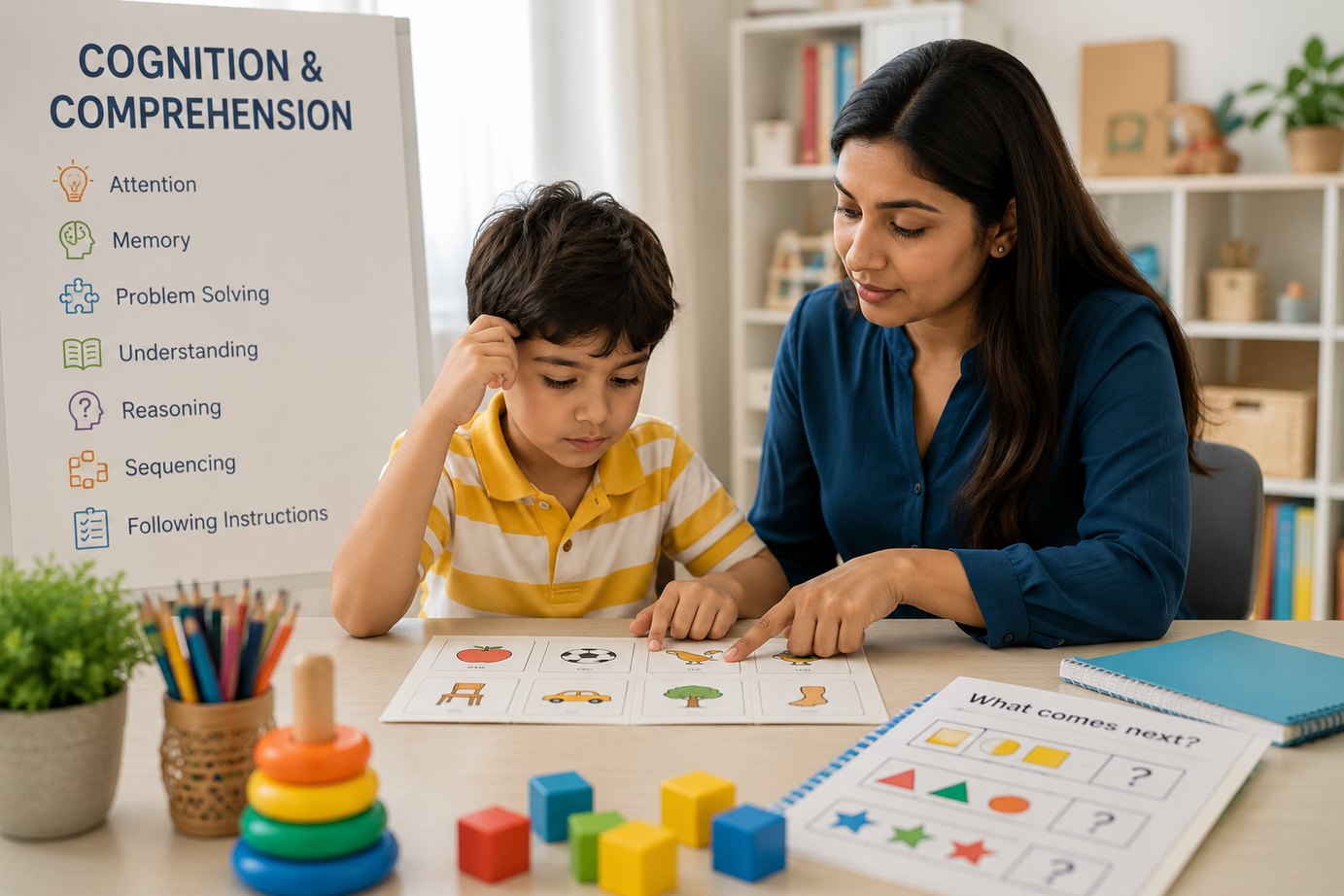
Builds the thinking skills behind learning: understanding instructions, sequencing, comparing, reasoning, recalling information and answering why/how questions. Tasks are broken down so the child can process each step clearly.
Led by Special Education
School reading difficulties
For children who avoid reading, read below grade level, miss sounds, lose track while reading or fail to understand what they read. Support combines phonics, vocabulary, fluency and comprehension practice.
Led by Special Education
Sensory & Motor
For children who need stronger body control, balance, coordination or hand use before table tasks, writing and independent participation become easier.
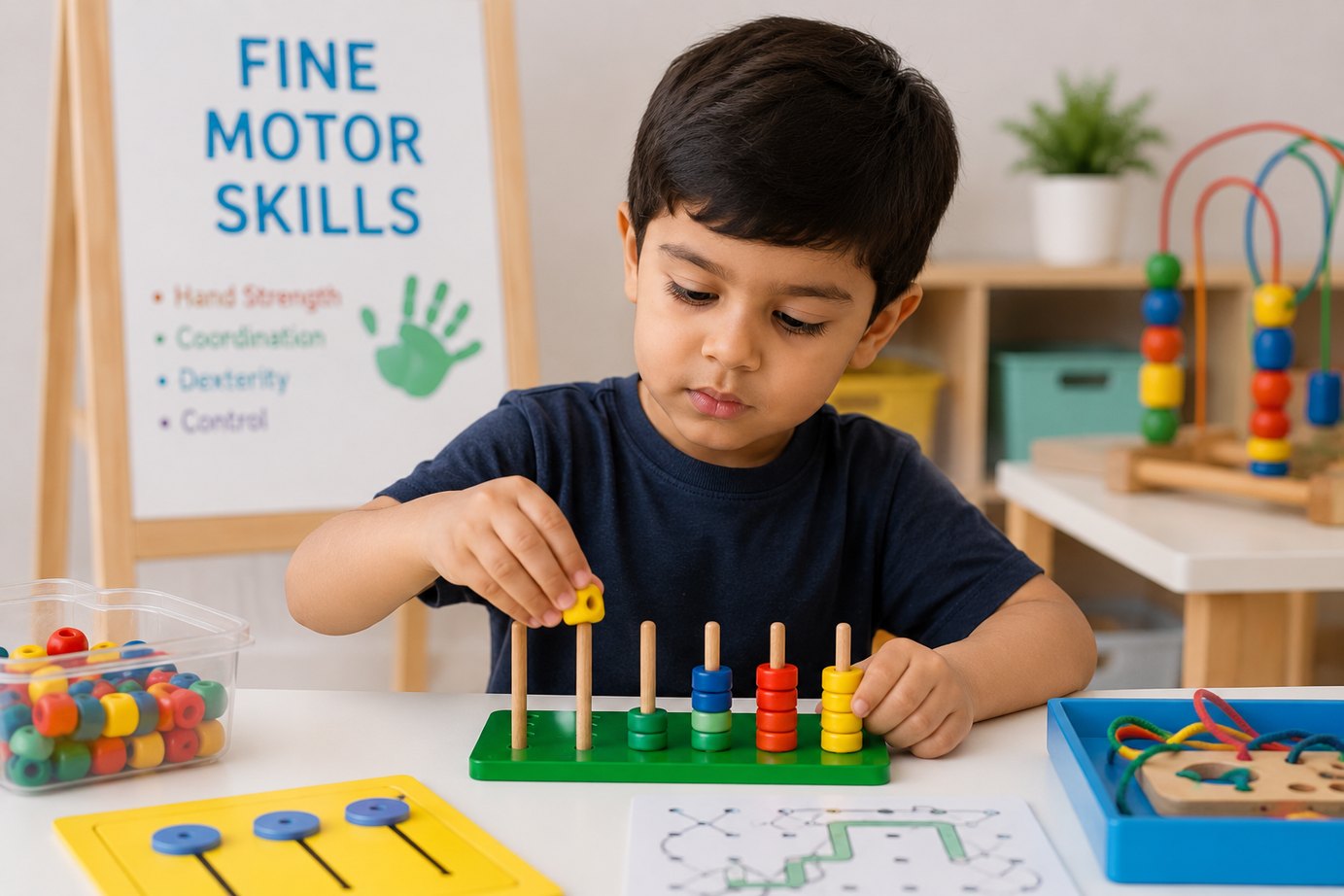
Fine motor skills
For children who need better finger strength, hand control and coordination for drawing, colouring, buttoning, bead work and pencil readiness. Activities build the control needed before expecting neat written output.
Motor Readiness Support
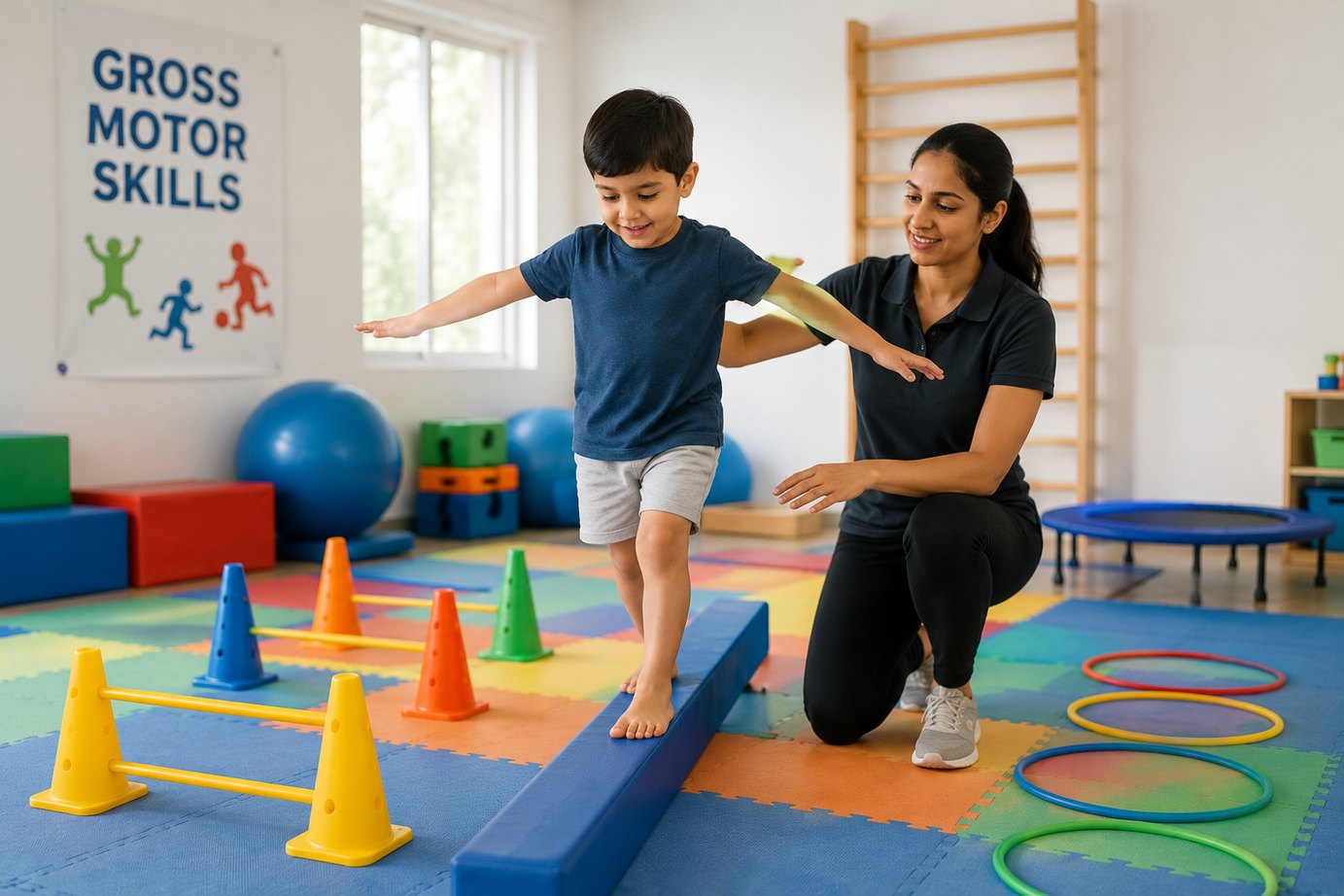
Gross motor skills
For children who need help with balance, posture, coordination, body awareness and movement confidence. These activities support safer play, better sitting tolerance and stronger participation in daily routines.
Motor Readiness Support
Hearing & Audiology
For families who need clearer understanding of listening response, suspected hearing difficulty or how audiology guidance connects with speech, language and learning support.
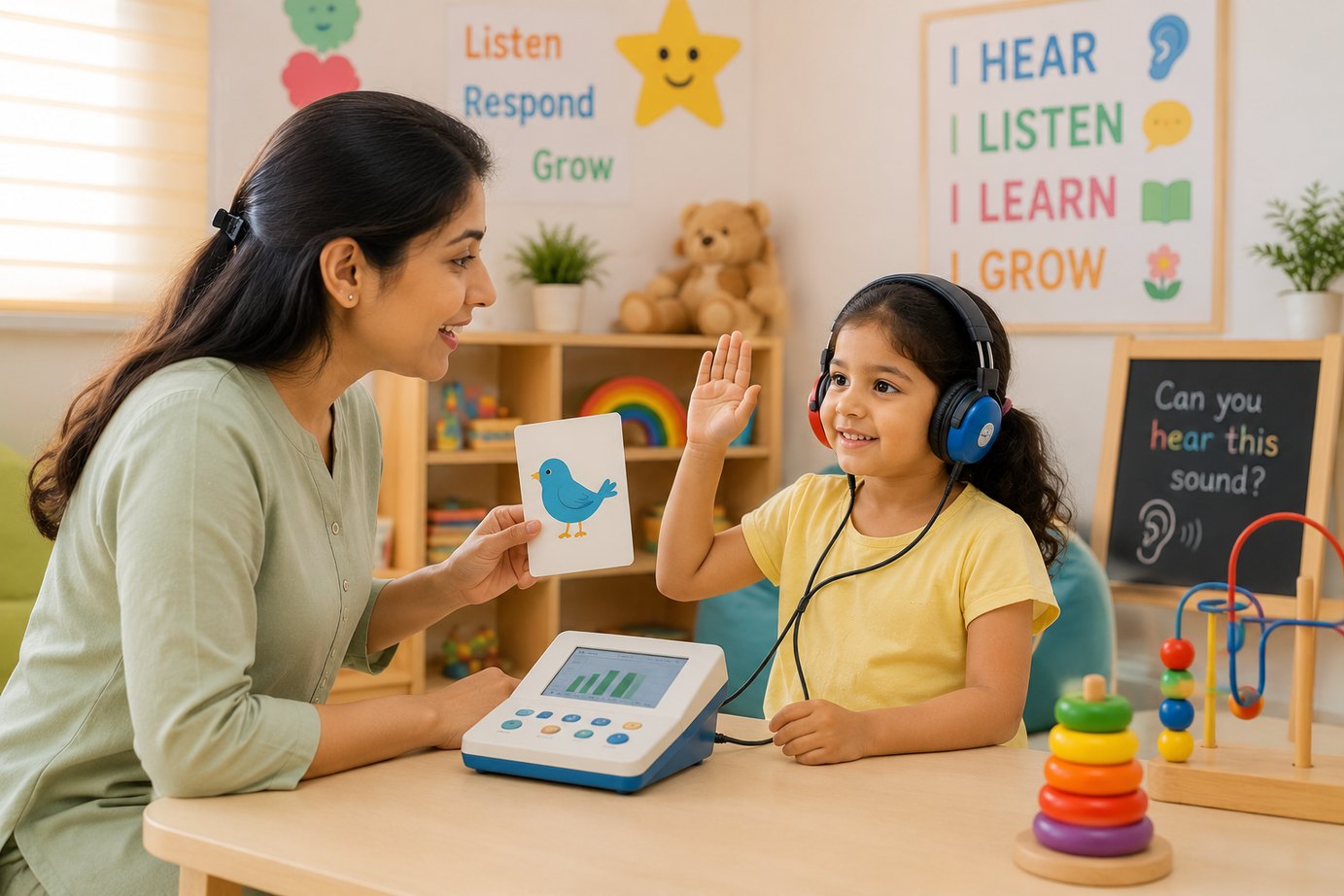
Hearing / audiology assessment
For children who do not respond consistently, ask for repetition, miss instructions, speak loudly or show possible hearing concerns. Audiology guidance helps families understand how listening may be affecting speech, learning and therapy planning.
Audiology-led Guidance
Not sure which service should come first?
That is exactly what the free demo is for. Parents can share what they notice at home or school, and the team will suggest whether to begin with speech, learning, motor or hearing support.